Your Go-To Guide to Enhancing Your Smile and Wellness

Achieving and maintaining a healthy, beautiful smile and overall wellness requires more than just a good skincare routine or a visit to the gym. It’s about taking a holistic approach that includes regular oral care, physical health, and overall well-being. The health of your teeth and gums directly impacts your overall health, from the condition of your heart to your ability to eat, talk, and smile confidently.
Small daily habits, along with professional care from local dentists, doctors, and other healthcare providers, can help enhance both your smile and your overall wellness. Whether you’re considering dental implants, addressing local emergencies, or trying to improve your daily wellness habits, we’ve got actionable steps for you.
Prioritizing Oral Health for a Brighter Smile
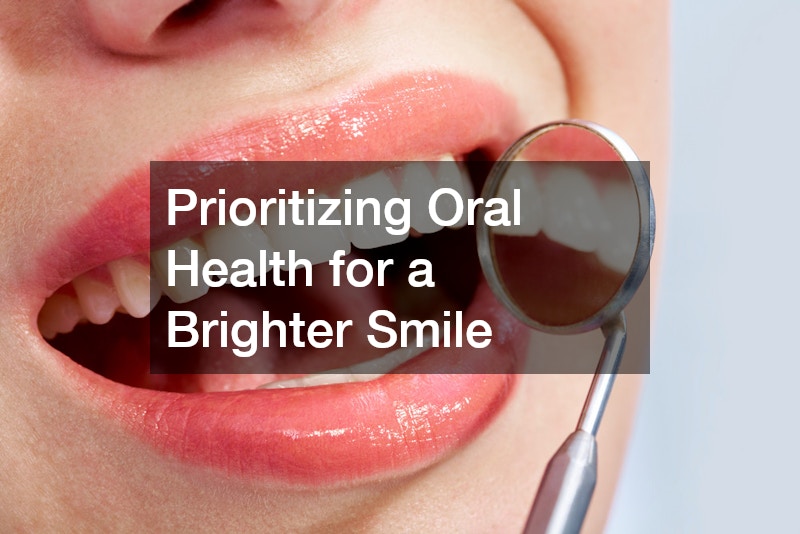
Your smile is often the first thing people notice about you, and a bright, healthy smile can enhance your confidence. But beyond aesthetics, maintaining your oral health is crucial for your overall wellness.
Why Dental Health Matters: More Than Just Aesthetic Appeal
Good dental hygiene is a reflection of your overall health. Poor oral care can lead to more than just cavities; it’s linked to heart disease, diabetes, and other serious conditions. Oral bacteria can enter the bloodstream, triggering inflammation and contributing to the development of cardiovascular issues. By focusing on dentistry, you’re also protecting your general health.
Actionable Tips for Daily Oral Care
- Brushing and Flossing: Brush your teeth at least twice a day using fluoride toothpaste, and don’t forget to floss daily to remove food particles and plaque from between your teeth.
- Visit Your Dentist Regularly: Schedule checkups with local dentists every six months for professional cleanings and to catch any issues early on.
- Consider Dental Implants: For those with missing teeth, dental implants are a long-term solution that restores both function and aesthetics. Implants can help improve chewing ability, speech, and self-confidence.
Maintaining a regular routine of brushing, flossing, and visiting your dentist is essential for a healthy smile that supports your overall health.
Advanced Dental Solutions for a Stunning Smile
While basic oral hygiene is key, there are more advanced dental treatments available that can dramatically enhance your smile and improve your quality of life.
What Are Dental Implants and Who Should Consider Them?
Dental implants are a popular and effective solution for individuals who have lost teeth due to injury, decay, or other reasons. Unlike dentures, which can slip or become uncomfortable, dental implants are permanently placed into the jawbone and act as a natural tooth root. This procedure provides long-term benefits and can dramatically improve your ability to speak, eat, and smile.
Enhancing Your Smile with Fillers: What You Need to Know
For those looking to enhance not just their teeth but also their facial aesthetics, fillers can be a great option. Fillers restore volume to the face, especially around the mouth and chin, areas that can lose fullness as we age. When combined with good dental care, fillers can complement your smile by giving your face a more youthful and balanced appearance.
How Electronic Cigarettes Can Affect Your Smile
Many people turn to electronic cigarettes as a healthier alternative to smoking, but even these devices have negative effects on your oral health.
Understanding the Impact of Vaping on Oral Health
Many people turn to electronic cigarettes as a healthier alternative to smoking, but even these devices have negative effects on your oral health. Although they may seem less harmful than traditional cigarettes, vaping still poses significant risks to the health of your teeth and gums. Nicotine in e-cigarettes can reduce blood flow to your gums, leading to gum disease and an increased risk of tooth decay. The chemicals in the vapor can also dry out your mouth, which can lead to cavities and gum irritation.
In addition to vaping, cigarettes and chewing tobacco are known to cause a range of oral health issues. Cigarette smoking is one of the leading causes of gum disease, tooth loss, and oral cancer. The tar and nicotine in cigarettes can stain teeth, cause bad breath, and reduce your ability to taste. Chewing tobacco also has serious consequences, often leading to gum recession, tooth loss, and an increased risk of oral cancers.
Cosmetically, the repercussions of using these products are just as significant. Smoking, chewing tobacco, and vaping can all lead to discolored teeth, receding gums, and an overall unhealthy appearance. While the cosmetic effects may seem less important than the health risks, a stained or damaged smile can negatively impact your confidence and self-esteem. It’s crucial to consider both the functional and aesthetic consequences of these habits when thinking about the long-term health of your smile.
Alternatives to Help Protect Your Smile
If you’re concerned about the damage that vaping might be doing to your oral health, consider quitting and seeking healthier alternatives. Not only will quitting help protect your teeth and gums, but it will also significantly improve your overall health. Work with a professional to quit smoking or vaping in a healthy and sustainable way.
Navigating Emergencies and Dental Care
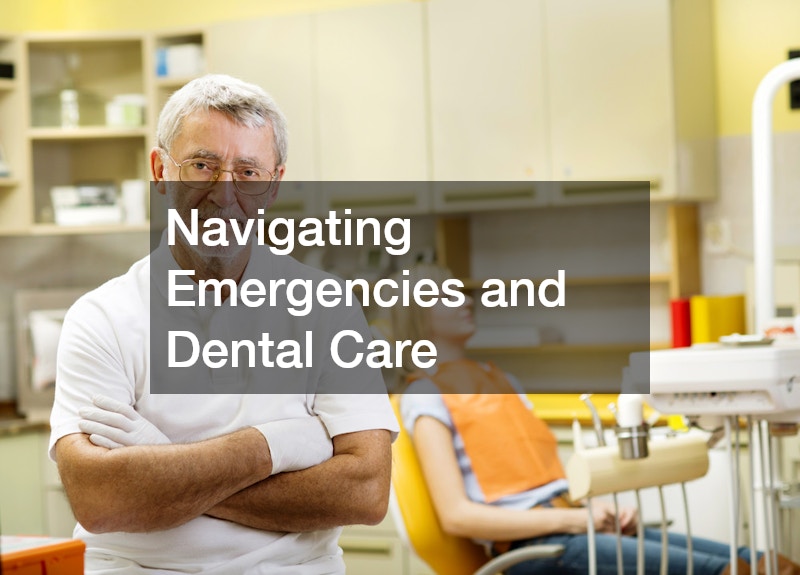
Accidents happen, and when they do, it’s important to be prepared, especially when they involve your health or teeth.
Handling Dental Emergencies: What to Do Until You See Your Local Dentist
In the case of local emergencies, such as a knocked-out tooth, broken braces, or severe tooth pain, knowing what to do can save your smile. For a knocked-out tooth, immediately rinse it (without scrubbing), place it back in the socket if possible, and seek professional help within an hour to increase the chance of re-implantation.
For other emergencies, keep an emergency dental kit on hand with items like sterile gauze, cold packs, and a pain-relieving gel. Don’t wait—contact your local dentist right away for advice.
How Your Family Doctor Can Assist in Emergency Situations
Your family doctor can also help triage a dental emergency. If you cannot reach your dentist immediately, your doctor can offer advice on managing pain or swelling and provide a referral to the appropriate dental professional. It’s always beneficial to have a good relationship with your family doctor to handle situations that may need immediate attention.
Rehabilitating Your Health Through Therapy
Rehabilitation therapy plays a key role in your overall health, especially when recovering from surgery or injury. It’s important to approach rehabilitation holistically, focusing on the body and mind.
The Role of Rehabilitation Therapy in Your Wellness Journey
Rehabilitation therapy plays a key role in your overall health, especially when recovering from surgery or injury. After undergoing oral surgeries, such as dental implants or wisdom tooth removal, rehabilitation therapy is an essential part of the recovery process. It helps restore mobility, reduce pain, and support healing. In the case of oral surgeries, rehabilitation therapy may involve specific exercises to improve jaw function, reduce swelling, and prevent stiffness. These exercises are designed to speed up recovery and ensure that you regain full functionality of your mouth and teeth.
Combining Rehabilitation with Wellness Practices
Incorporating rehabilitation therapy into your routine doesn’t just speed up recovery—it can also enhance your general wellness. Combine your therapy sessions with regular exercise, good nutrition, and mental health care to support your body’s healing process from every angle. Consult with your family doctor to create a rehabilitation plan that best fits your needs.
Protecting Your Health with Preventive Measures
Prevention is always better than treatment, and staying on top of your health with regular visits to both your local dentist and family doctor is one of the best ways to maintain a healthy body and smile. It is recommended to go to see your dentist once every 6 months if insurance allows.
Preventive Care: Early Steps to Enhance Wellness
Preventive care is a vital part of maintaining both your oral and overall health, and seeing a dentist is just as important as seeing your family doctor. While your family doctor helps monitor and maintain your general health, your dentist focuses on the health of your teeth, gums, and mouth, both of which are essential to your overall wellness. The two professionals often work together to ensure that you are in optimal health. Regular visits to both your family doctor and your dentist help detect potential issues early, allowing for proactive care and treatment before problems worsen.
When it comes to preventive measures, there are several steps you should take to protect both your oral and overall health:
-
Regular Checkups: Schedule routine appointments with both your family doctor and dentist. Your dentist can check for oral health issues like cavities, gum disease, and oral cancer, while your family doctor monitors for conditions like high blood pressure or diabetes, which can impact your oral health.
-
Brushing and Flossing: Brush your teeth at least twice a day and floss daily to remove plaque and prevent gum disease and cavities. This simple habit can drastically reduce the risk of oral issues down the line.
-
Healthy Diet: Eat a balanced diet rich in fruits, vegetables, and calcium to support strong teeth and bones. Avoid sugary snacks and drinks that contribute to tooth decay and other health problems.
-
Wear Protective Gear: If you participate in sports, make sure to wear a mouthguard to protect your teeth from injury. Additionally, wearing proper protection during activities like cycling or using power tools helps prevent accidental injuries.
-
Oral Cancer Screenings: Oral cancer screenings by your dentist can detect early signs of cancer, increasing the chances of successful treatment.
By incorporating these preventive measures into your routine and maintaining regular visits to both your family doctor and dentist, you’ll be taking proactive steps toward long-term health and wellness.
How to Use Common Tools and Products for Better Health
Sometimes, enhancing your smile and wellness requires more than just professional care—it’s about using the right tools and products.
Drape Tape: A Handy Tool for Oral Care and Beyond
Though not something people often think about, drape tape can actually be quite helpful in certain situations. For example, it can be used to secure loose dentures or braces while awaiting a dentist appointment. It’s a temporary solution, but in an emergency, it can make a big difference.
Using Household Tools for Oral Hygiene Maintenance
In addition to your toothbrush and floss, there are a variety of tools that can support your oral health. Consider using a water flosser to clean hard-to-reach areas or an interdental brush to remove plaque from tight spaces. These tools can help maintain a healthy mouth between dentist visits.
Embracing a Holistic Approach to Wellness

True wellness isn’t just about treating symptoms—it’s about living a balanced, healthy life. Incorporating both physical and dental care into your daily routine is key to feeling your best.
Balancing Your Smile with Overall Health Goals
To maintain a beautiful smile, it’s important to balance dental care with overall physical health. Eat a nutritious diet, exercise regularly, and manage stress to keep your body and mind in peak condition. Taking care of your oral health is a critical part of this equation, so be sure to maintain a solid oral hygiene routine alongside your other health habits.
The Connection Between Oral Health, Physical Fitness, and Mental Well-being
There is a profound connection between your oral health and your mental and physical well-being. Feeling confident about your smile can improve your mood and decrease stress. Meanwhile, maintaining a healthy body through exercise and nutrition can support your dental health by reducing inflammation and improving circulation.
By now, you’ve learned that enhancing your smile and wellness requires a comprehensive approach, one that includes regular care from local dentists, doctors, and your family doctor, alongside healthy habits and preventive measures. Whether you’re looking to improve your smile with dental implants, manage the effects of electronic cigarettes, or explore the benefits of rehabilitation therapy, the key is to stay proactive and engaged in your health journey.
Now is the time to take action—schedule that appointment with your local dentist, set up a health check-up with your family doctor, and prioritize self-care to ensure both your smile and your wellness continue to thrive.