A Day in the Life of a General Dentist
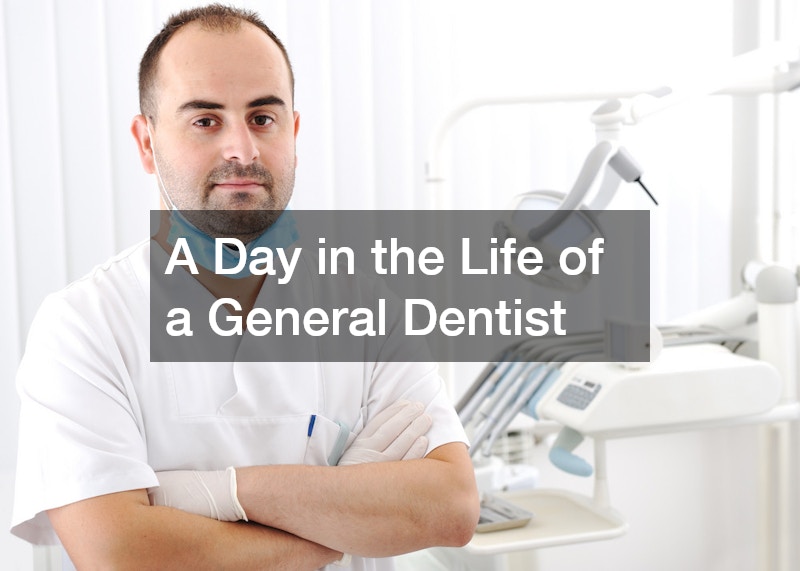
Ever wondered what happens on the other side of the dental chair? While most patients experience dental visits in short 45-minute blocks—usually while staring at a ceiling tile—a general dentist navigates a fast-paced day that blends healthcare, engineering, microsurgery, and human psychology. Behind the peaceful acoustic music in the waiting room lies a finely tuned workflow designed to keep dozens of unique treatment plans moving forward simultaneously. Understanding this daily routine offers a unique perspective on the immense care, preparation, and precision required to maintain a healthy smile.
The Early Morning Prep: Setting the Stage
A dentist’s day begins well before the doors unlock for the public, usually around 7:30 AM. The morning starts with a “morning huddle”—a focused 15-minute meeting where the entire clinical team gathers. The team includes the dentist, dental hygienists, dental assistants, and administrative coordinators. Together, they review the day’s schedule, discuss patient medical histories, flag complex cases, and coordinate specific patient preferences. If a patient is exceptionally anxious, allergic to a specific material, or arriving for a long-planned cosmetic overhaul, the team establishes a game plan right then to ensure a seamless visit.
Morning Block: Complex Procedures and Hygiene Exams
Morning hours are typically reserved for heavy restorative and surgical treatments. These longer procedures demand maximum clinician focus, sharp fine motor control, and higher patient energy levels. During this primary treatment block, a dentist might perform:
- Crown Preparations and Restorations: Precision-shaping damaged or broken teeth and capturing detailed 3D digital scans or traditional physical impressions so a laboratory can fabricate a durable, custom-fit cap.
- Composite Fillings: Gently removing decayed tooth structure with pinpoint accuracy and layering tooth-colored resin materials to restore structural integrity and aesthetic appearance.
- Root Canal Therapy: Carefully clearing infected vascular tissue from deep within a tooth’s root canals, disinfecting the chamber, and sealing it to save a natural tooth from extraction.
- Surgical Extractions and Implants: Safely removing compromised teeth or placing biocompatible titanium posts directly into the jawbone to serve as permanent foundations for replacement teeth.
While working on a complex restoration in one treatment room, the clinician simultaneously oversees hygiene check-ups across the hall. Between procedural steps—such as waiting a few minutes for local anesthesia to fully numb a patient—the dentist slips into neighboring rooms to perform comprehensive oral exams for patients receiving routine cleanings. During these brief but intense exams, the clinician evaluates far more than just surface decay. They systematically check gum health for periodontitis, conduct oral cancer screenings on soft tissues, inspect aging restorations for marginal wear, and assess overall bite alignment.
Midday Intermission: Administration and Inter-Specialist Collaboration
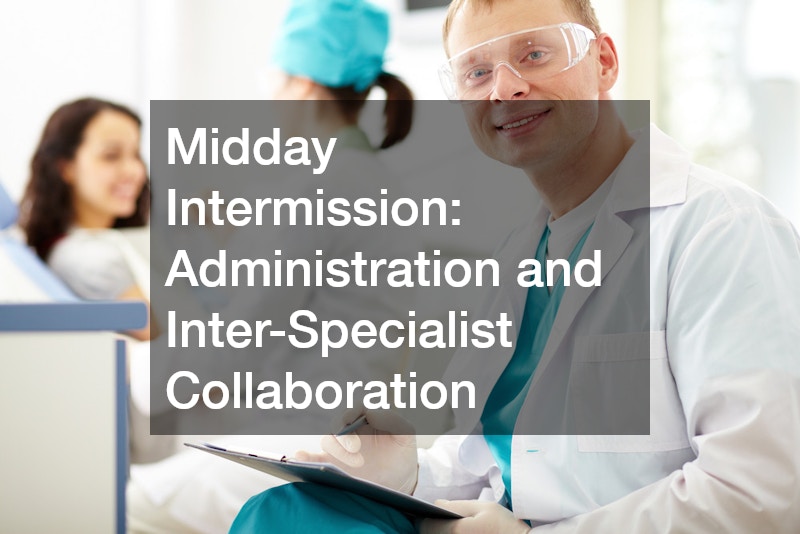
A general dentist frequently uses this time to place direct follow-up calls to patients who underwent invasive procedures the previous afternoon, ensuring their post-operative recovery is moving smoothly and adjusting pain management strategies if needed. They also collaborate directly with dental specialists—such as oral surgeons, periodontists, endodontists, or orthodontists—to coordinate complex multi-phase treatment plans for shared patients. Finally, this break allows time to review pending digital lab files, complete formal insurance documentation, sign off on clinical charts, and approve custom treatment estimates drafted earlier in the morning.
Afternoon Care: Emergency Care, Consultations, and Restorative Work
The afternoon schedule generally features a broader mix of patient needs, combining shorter restorative appointments, cosmetic consultations, and unbooked time slots reserved specifically for acute dental emergencies.
Every well-run practice leaves buffers in the afternoon schedule to handle unexpected urgent visits. A patient might call at 1:00 PM with a severe toothache, a chipped front tooth from an unexpected fall, or a crown that popped loose during lunch. The practitioner must rapidly diagnose the issue using digital radiography or 3D cone-beam computed tomography (CBCT) imaging, alleviate the patient’s immediate discomfort, and execute either a permanent solution or a stable temporary fix until a longer appointment can be booked.
Afternoon consultations offer a distinct change of pace, giving the practitioner uninterrupted time to sit face-to-face with patients in a desk setting. These visits focus on explaining complex treatment pathways—whether that involves planning a full-mouth rehabilitation, discussing clear aligner therapy, or managing chronic temporomandibular joint (TMJ) pain caused by jaw clenching. Effective communication is the core skill here; translating complicated pathology and clinical jargon into clear, empowering choices helps patients take confident ownership of their long-term oral health.
Wrapping Up the Day
The end of the day involves finalizing detailed clinical notes for every patient seen during the shift. Accurately documenting specific diagnoses, shade selections, local anesthetic dosages, brand names of materials utilized, and individual patient responses is vital for medical record integrity, legal compliance, and continuity of care. Meanwhile, the clinical staff executes stringent end-of-day infection control and sterilization protocols. While dental assistants handle the continuous cycle of instrument processing throughout the day, the practitioner verifies that all health regulations are met, diagnostic equipment is safely recalibrated, and treatment rooms are fully stocked for the next morning’s first patient.
Beyond the Dental Chair
What patients rarely see from the treatment chair is the continuous balancing act between micro-engineering, surgical precision, business management, and compassionate human connection required throughout a single shift. A dentist must seamlessly transition from performative, highly delicate handiwork to reassuring a terrified patient, diagnosing complex pain, or designing a natural smile restoration. Behind every routine clean-and-check or emergency intervention lies a carefully orchestrated sequence of diagnostic skill, team communication, and genuine dedication designed to keep patients healthy, comfortable, and smiling with lasting confidence.