How Oral Health Fits Into Healthcare Planning

Oral health is often treated like a separate part of healthcare, but it plays a major role in everyday wellness. Your teeth, gums, jaw, and mouth affect how you eat, speak, sleep, smile, and feel. When oral health problems are ignored, they can lead to pain, infection, stress, and expenses that extend far beyond the dentist’s chair.
Good healthcare planning should include dental care from the start. That means scheduling preventive visits, understanding treatment options, reviewing insurance coverage, planning for costs, and knowing when to seek care quickly. Whether you are planning for yourself, your children, aging parents, or your household as a whole, oral health deserves a place in the larger conversation about long-term well-being.
Start With Preventive Care Before Problems Grow
Routine checkups give dental providers an opportunity to identify early warning signs. Exams, cleanings, X-rays when needed, gum measurements, oral cancer screenings, and bite evaluations can all reveal concerns before they become urgent. A local dentist can help track these changes over time and recommend care based on your age, oral health history, lifestyle, and risk factors.
A family dentist office can also make preventive care easier for households. When multiple family members are seen in one place, it is often simpler to coordinate appointments, manage records, and build habits that support everyone’s oral health. Children, teens, adults, and older adults all have different needs, and preventive care helps ensure those needs are not overlooked.
Build Dental Visits Into the Family Health Routine
Families often schedule annual physicals, school checkups, vaccinations, vision exams, and sports physicals. Dental care should be part of that same rhythm. When oral health is treated as a routine responsibility, it becomes easier to stay consistent and avoid last-minute decisions.
A local family dentist can help families manage needs across different life stages. Young children may need help with brushing habits, fluoride, sealants, and early cavity prevention. Teens may need monitoring of wisdom teeth, orthodontic referrals, mouthguards, or guidance on diet and hygiene. Adults may need gum care, restorative treatment, discussions about whitening, or help managing tooth wear. Older adults may need denture care, implant planning, dry mouth support, or oral cancer screenings.
Ways to keep family dental care organized include:
- Group appointments when possible: Scheduling family members around the same time can reduce missed visits.
- Keep records accessible: Store insurance cards, treatment plans, and provider contact information in a place where they are easy to find.
- Create age-based reminders: Children may need help with brushing, teens may need retainer reminders, and adults may need gum health monitoring.
- Track home-care supplies: Replace toothbrushes, electric brush heads, flossers, retainers, and mouthguards as needed.
- Ask for specific instructions: Different ages and dental conditions require different home-care routines.
Oral health affects much more than teeth. It can influence nutrition, confidence, speech development, sleep quality, and social comfort. When families build dental visits into their broader healthcare schedule, they create a stronger foundation for lifelong wellness.
Plan Ahead for Tooth Replacement Options
Tooth loss can affect daily life in ways people do not always expect. Missing teeth can make it harder to chew certain foods, speak clearly, and feel confident in social settings. Over time, tooth loss may also affect facial support, bite balance, and the position of surrounding teeth.
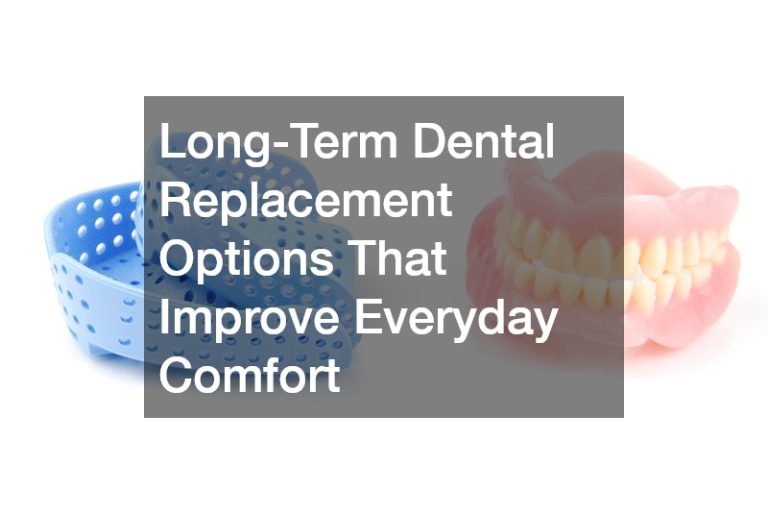
Planning ahead for tooth replacement gives patients time to understand their options before they are forced into a rushed decision. Depending on the situation, tooth replacement may involve dentures, bridges, implants, implant-supported dentures, or other restorative options. Each choice has different costs, timelines, maintenance needs, and health considerations.
An affordable snap on denture may be one option for patients who want more stability than traditional removable dentures. These dentures are designed to attach more securely, often using dental implants or attachments for added support. They may improve chewing comfort, reduce slipping, and help patients feel more confident speaking or eating.
In some cases, patients may also hear about synthetic bone grafting. This may be discussed when there is not enough bone support for certain restorative procedures. Bone support can change after tooth loss, gum disease, trauma, or long-term denture use. A dental provider may recommend grafting when planning for implants or other treatments that require a stronger foundation.
Include Bite Alignment in Long-Term Health Planning

Straight teeth are often associated with appearance, but bite alignment is also important for long-term oral health. Crowded, spaced, rotated, or misaligned teeth can affect chewing, speech, jaw comfort, gum health, and how easily teeth can be cleaned.
Orthodontists evaluate tooth position, jaw alignment, bite patterns, and spacing. They may recommend braces, clear aligners, retainers, or other appliances depending on the patient’s needs. While many people think orthodontic care is only for children and teenagers, adults may also benefit from an evaluation, especially if their teeth have shifted over time.
Common reasons to consider an orthodontic evaluation include:
- Crowding: Teeth that overlap can be harder to brush and floss.
- Spacing: Gaps may affect appearance, bite balance, or food trapping.
- Overbite or underbite: Bite imbalance can affect chewing and tooth wear.
- Crossbite: Teeth that meet incorrectly may create uneven pressure.
- Jaw discomfort: Bite alignment can sometimes contribute to jaw strain.
- Post-treatment shifting: Teeth may move if retainers are not worn as directed.
Planning orthodontic care requires both time and budget. Treatment may take months or years, and retainers are often needed afterward to maintain results. Families should ask about insurance benefits, payment options, expected timelines, and follow-up care.
Review Coverage Before You Need Treatment
Insurance can affect when and how people seek dental care. Many patients assume all health-related needs are handled under one policy, but dental coverage is often separate from medical coverage. This can create confusion when treatment is needed.
Individual health insurance plans may or may not include dental benefits. Some policies include limited dental coverage, while others require a separate dental plan. Even when dental coverage exists, benefits may vary for preventive care, fillings, crowns, dentures, implants, orthodontics, and oral surgery.
Important coverage questions include:
- Are preventive visits covered? Cleanings, exams, and X-rays may have different coverage rules.
- Is there a deductible? Some plans require you to pay a certain amount before benefits apply.
- What is the annual maximum? Dental plans often limit how much they pay per year.
- Are major services covered? Crowns, dentures, implants, and surgery may be covered differently.
- Are there waiting periods? Some plans delay coverage for certain treatments.
- Are orthodontic benefits included? Coverage may be limited by age or lifetime maximums.
- Do I need to use certain providers? Network rules can affect out-of-pocket costs.
Oral healthcare planning is easier when financial expectations are clear. You may not be able to predict every dental need, but you can prepare for routine care and understand how coverage may apply to larger procedures.
Review Bills and Treatment Estimates Carefully
Dental bills and treatment estimates can be confusing, especially when insurance is involved. Patients may receive a treatment plan, an insurance estimate, an explanation of benefits, a provider bill, and a payment schedule. These documents do not always look the same, and the final cost may depend on what the insurance plan actually pays.
Medical billing and dental billing are not identical, but both rely on codes, documentation, coverage rules, and patient responsibility. In some cases, oral surgery, sleep apnea appliances, trauma-related treatment, or medically necessary procedures may involve coordination between dental and medical benefits. This can make billing more detailed.
Before agreeing to treatment, review:
- The total estimated cost: Know the full fee, not just the monthly payment.
- The insurance estimate: Ask what portion is expected to be covered.
- Your out-of-pocket amount: Understand what you may owe.
- Alternative options: Ask whether there are different treatment choices.
- Payment due dates: Know when deposits or balances are expected.
- Follow-up costs: Some procedures require maintenance or future replacement.
- Claim uncertainty: Ask what happens if insurance pays less than expected.
Good recordkeeping can prevent confusion. Keep copies of treatment plans, receipts, explanations of benefits, pre-authorizations, claim denials, and payment agreements. If you need to ask questions later, having documents organized can save time.
Coordinate Dental Care With Broader Health Needs
A health care service provider, caregiver, primary care physician, specialist, or home support provider may need to be involved in some situations. This is especially true for patients with chronic conditions, mobility limitations, medication concerns, or serious medical histories.
Health factors that may affect dental care include diabetes, heart disease, pregnancy, autoimmune disorders, cancer treatment, dry mouth, use of blood thinners, osteoporosis medications, mobility challenges, and cognitive changes. Patients should always tell their dental provider about medical diagnoses, allergies, medications, surgeries, and recent changes in health.
Recognize the Importance of Trained Support Staff
Oral healthcare planning does not depend only on dentists. A well-run healthcare setting also relies on trained support staff who help with scheduling, communication, records, billing, patient education, and follow-up care. These roles can affect how smoothly patients move through the care process.
People who complete an online medical assistant program may be prepared for healthcare support roles that involve patient communication, documentation, basic clinical skills, scheduling, and office coordination. While dental and medical offices have different workflows, both settings depend on organized support systems to help patients understand their next steps.
Support staff may help patients schedule appointments, update health histories, review instructions, collect forms, coordinate referrals, explain office policies, and answer basic process questions. In many cases, they are the first people patients speak with when they have concerns.
Good communication is especially important for patients managing multiple appointments, insurance questions, treatment phases, or family schedules. When support staff are trained and organized, patients often feel more prepared and less confused.
Create a Personal Oral Health Plan for Each Life Stage
Oral health needs change throughout life. A strong healthcare plan should account for these changes and adjust as needs evolve. What matters to a toddler will differ from what matters to a teenager, a working adult, or an older adult.
Life changes can also affect dental planning. Pregnancy, illness, injury, job changes, retirement, caregiving responsibilities, and insurance changes may all influence when and how dental care is managed.
Know When to Seek Help Quickly

Some dental problems should not wait for a routine appointment. Pain, swelling, infection, injury, and broken teeth can worsen quickly. Knowing when to seek help can protect your health and reduce the chance of more involved treatment later.
Severe tooth pain may signal deep decay, infection, trauma, or nerve involvement. Swelling in the gums, jaw, or face may indicate infection and should be taken seriously. A knocked-out tooth, broken tooth, uncontrolled bleeding, or injury to the mouth or jaw may require urgent care.
Urgent symptoms include:
- Severe tooth pain: Persistent or intense pain should be evaluated.
- Facial or gum swelling: Swelling may be a sign of infection.
- Knocked-out tooth: Fast action may improve the chance of saving the tooth.
- Broken tooth: Damage can expose sensitive inner structures.
- Bleeding that will not stop: Ongoing bleeding needs attention.
- Signs of infection: Fever, swelling, pus, or spreading pain should not be ignored.
- Jaw injury: Trauma may affect teeth, bone, joints, or soft tissue.
- Denture or appliance problems: Broken appliances can affect eating, speech, or comfort.
Emergency planning should be part of healthcare planning. Know who to call, what your after-hours options are, where your insurance information is stored, and how you would get to care if transportation is needed. Families caring for children or older adults should also have a plan for urgent dental situations.
Delaying urgent care can lead to more pain, higher costs, and greater health risks. When something feels serious, it is better to ask for guidance than wait and hope it improves on its own.
Oral health fits into healthcare planning because it affects comfort, nutrition, communication, confidence, finances, and long-term well-being. Dental care should not be treated as an afterthought or only addressed during emergencies. With regular prevention, thoughtful budgeting, provider coordination, and a clear plan for each life stage, patients can make stronger decisions about their health.
The best time to plan for oral healthcare is before there is a crisis. Choosing providers, reviewing coverage, understanding treatment options, organizing records, and knowing when to seek help can reduce stress and help patients avoid unnecessary delays.
Every person’s needs are different, but the goal is the same: to protect oral health while supporting overall wellness. By making dental care part of regular healthcare planning, individuals and families can protect their smiles, reduce unexpected costs, and support better health at every stage of life.