What are the Different Kinds of Oral Surgery?
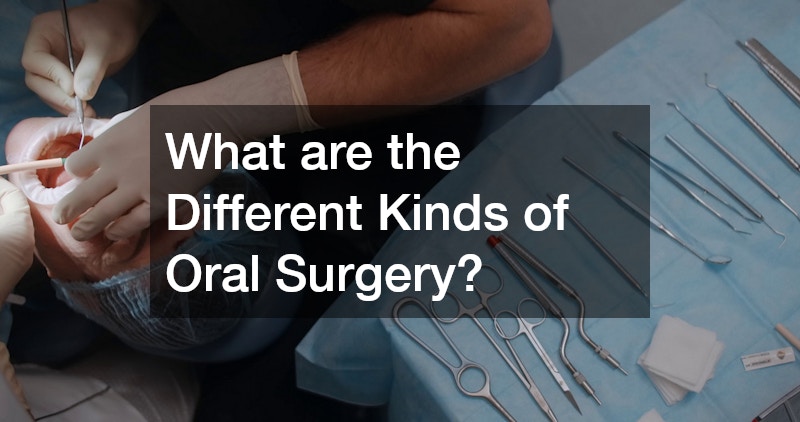
Oral surgery is a specialized field of dentistry focused on diagnosing and surgically treating conditions affecting the mouth, teeth, jaws, and surrounding facial structures. While many dental procedures are preventive or restorative in nature, surgical care becomes necessary when problems extend beyond what can be managed with fillings, crowns, or routine treatments. From removing impacted teeth to correcting jaw alignment, oral surgery plays a critical role in protecting both oral health and overall well-being.
Oral surgeons complete advanced training beyond dental school, allowing them to manage complex procedures involving bone, soft tissue, nerves, and facial anatomy. Depending on the patient’s needs, surgery may be performed under local anesthesia, IV sedation, or general anesthesia to ensure comfort and safety.
Below is a closer look at the different kinds of procedures that fall under oral surgery and how each one supports long-term dental health.
Tooth Extractions
Simple Extractions
A simple extraction is performed when a tooth is visible above the gum line and can be removed with specialized dental instruments. This type of procedure is commonly recommended for severely decayed, damaged, or loose teeth that cannot be saved with restorative treatments.
Although straightforward, simple extractions still require careful technique to preserve surrounding bone and tissue. Proper aftercare is essential to promote healing and prevent complications such as dry socket.
Surgical Extractions
Surgical extractions are more complex and involve teeth that are not easily accessible. This may include teeth that have broken at the gum line or have not fully erupted. In these cases, the surgeon may need to make a small incision in the gum tissue and remove surrounding bone to safely extract the tooth.
Wisdom Teeth Removal
Wisdom teeth removal is one of the most common forms of oral surgery. Third molars often do not have enough room to erupt properly, leading to impaction, infection, or crowding of adjacent teeth.
Impacted wisdom teeth may grow at an angle, remain trapped beneath the gum, or partially emerge, increasing the risk of pain and swelling. Removing them early can help prevent complications such as cyst formation, gum disease, and damage to neighboring teeth.
Recovery typically involves a few days of rest, with most patients returning to normal activities within a week.
Dental Implant Placement
Dental implants are a long-term solution for replacing missing teeth. This procedure involves surgically placing a titanium post into the jawbone, which acts as an artificial tooth root. Over time, the implant integrates with the bone in a process called osseointegration.
Once healing is complete, a crown is attached to restore appearance and function. Implants are highly durable and help preserve jawbone density by stimulating the bone similarly to natural tooth roots.
Implant surgery may also include preparatory procedures such as bone grafting if there is insufficient bone volume to support the implant.
Bone Grafting
Bone grafting is performed when the jawbone lacks the density or volume needed to support dental implants or maintain facial structure. Bone loss can occur due to missing teeth, trauma, or advanced periodontal disease.
During the procedure, bone material is placed in the affected area to stimulate new growth. The graft may come from the patient’s own body, a donor source, or a synthetic material. Over several months, the new bone integrates with existing tissue, creating a stable foundation for future treatment.
Bone grafting not only supports implants but also helps maintain facial contours and prevent further deterioration.
Corrective Jaw Surgery
Corrective jaw surgery, also known as orthognathic surgery, addresses structural and alignment issues involving the upper and lower jaws. When the jaws are misaligned, patients may experience difficulty chewing, speaking, or breathing. Severe misalignment can also contribute to chronic jaw pain and temporomandibular joint disorders.
This type of surgery repositions the jaws to improve function and facial balance. Treatment is often coordinated with orthodontic care to achieve optimal results. Although recovery requires time and careful monitoring, patients often experience significant improvements in comfort and quality of life.
Treatment of Facial Trauma
Facial trauma surgery focuses on repairing injuries to the mouth, jaw, and facial bones caused by accidents, sports injuries, or other trauma. These injuries may involve fractured jaws, knocked-out teeth, or lacerations to soft tissue.
Prompt surgical intervention is crucial to restore proper alignment, function, and appearance. Treatment may involve stabilizing bone fractures with plates and screws, repositioning teeth, or repairing damaged tissue.
Restoring facial structure not only improves aesthetics but also ensures that patients can eat, speak, and breathe properly.
Cyst and Tumor Removal
Abnormal growths in the jaw or soft tissues of the mouth sometimes require surgical removal. Oral cysts and tumors can develop due to infection, impacted teeth, or other underlying conditions.
While many growths are benign, early detection and treatment are important to prevent expansion and damage to surrounding bone or teeth. Surgical removal is typically followed by a biopsy to determine the exact nature of the tissue.
Removing cysts and tumors helps protect long-term oral health and reduces the risk of complications.
Periodontal Surgery
Advanced gum disease can damage the tissues and bone that support the teeth. When nonsurgical treatments such as scaling and root planing are not sufficient, periodontal surgery may be recommended.
Procedures can include flap surgery to clean deep pockets of infection, gum grafts to cover exposed roots, or regenerative techniques to rebuild lost bone and tissue. These treatments aim to stop disease progression and preserve natural teeth whenever possible.
Preparing for and Recovering from Surgery
Before any oral surgery procedure, a comprehensive evaluation is performed. This may include digital imaging, medical history review, and a discussion of sedation options. Clear instructions are provided to help patients prepare for surgery and manage recovery effectively.
After surgery, following post-operative guidelines is essential for proper healing. This often involves managing swelling, avoiding certain foods, maintaining oral hygiene, and attending follow-up appointments.
Every procedure is tailored to the patient’s specific condition, overall health, and treatment goals. Advances in technology and anesthesia have made modern oral surgery more precise, comfortable, and predictable than ever before.
Understanding the different kinds of surgical procedures available empowers patients to make informed decisions about their care. Whether addressing pain, restoring function, or improving aesthetics, these treatments play a vital role in maintaining a healthy, confident smile.

Similar Posts

Why Is It Important to Choose a Local Dentist?
When it comes to dental health, many people overlook the importance of choosing a local dentist. While it may seem easier to visit a large corporate dental office or a clinic situated farther away, there is significant value in seeking out dental care from a practitioner in your own community. Local dentists often provide a…

Your Go-To Guide to Enhancing Your Smile and Wellness
Achieving and maintaining a healthy, beautiful smile and overall wellness requires more than just a good skincare routine or a visit to the gym. It’s about taking a holistic approach that includes regular oral care, physical health, and overall well-being. The health of your teeth and gums directly impacts your overall health, from the condition…
Dentists Explain the Importance of Fillings for Tooth Decay
Tooth decay is one of the most common oral health problems affecting Australians of all ages. If left untreated, it can lead to serious issues including pain, infection and even tooth loss. Fillings play a crucial role in stopping decay in its tracks and restoring the function and appearance of the affected tooth. According to…

Effective Ways to Prevent Dental Cavities and Decay
Maintaining strong, healthy teeth requires more than just occasional brushing. Dental cavities and decay affect many Australians, causing discomfort and costly treatments if not addressed early. Fortunately, adopting effective preventive strategies can help protect teeth from damage. This article outlines practical ways to prevent dental cavities and decay, ensuring lasting oral health. Understand the Causes…

When Would You Need Dental Bridges?
This section will introduce the topic of dental bridges, explaining what they are and their importance in dental health care. Dental bridges are a common dental restoration used to replace one or more missing teeth. They play a crucial role in maintaining the structure of the mouth and ensuring comprehensive oral functionality. Video Source Without…
A Day in the Life of a General Dentist
Ever wondered what happens on the other side of the dental chair? While most patients experience dental visits in short 45-minute blocks—usually while staring at a ceiling tile—a general dentist navigates a fast-paced day that blends healthcare, engineering, microsurgery, and human psychology. Behind the peaceful acoustic music in the waiting room lies a finely tuned…