Innovative Upgrades Every Modern Dental Office Should Consider
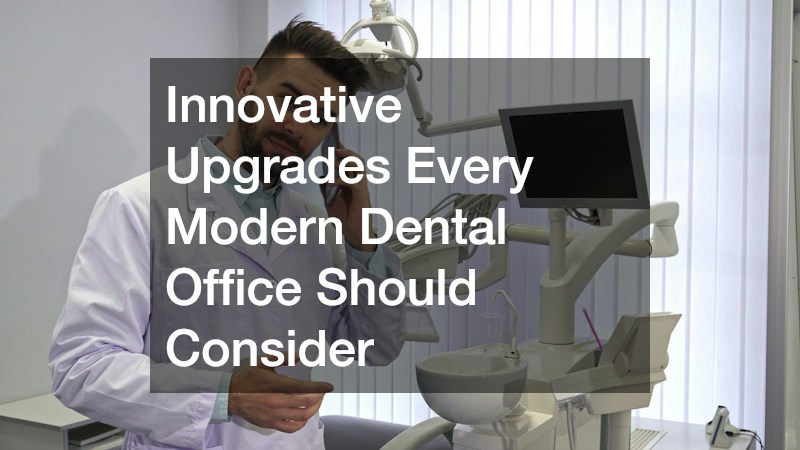
Running a thriving dental practice today requires much more than clinical expertise and a steady hand; it demands an environment that seamlessly blends cutting-edge functionality, uncompromising safety, and genuine hospitality. Patients walk through the front doors with high expectations, often carrying a lingering sense of anxiety from past experiences. By thoughtfully modernizing the physical workspace and investing in behind-the-scenes operational excellence, practice owners can transform a routine appointment into a reassuring, high-end healthcare experience.
Furthermore, investing in the infrastructure of a modern practice pays dividends in staff retention, operational efficiency, and long-term asset value. When the physical surroundings reflect professionalism and care, patients feel more confident placing their oral health in your hands. Upgrading a clinical facility involves looking at the space holistically, from the moment a visitor steps onto the lobby floor to the unseen air quality regulating the environment they breathe. When every element is intentionally curated, the result is a calmer atmosphere for patients and a remarkably smoother workflow for the entire team.

Reimagining the Patient Reception Experience
The waiting area sets the emotional tone for every single visit, making it one of the highest-impact spaces to modernize. Outdated magazines, harsh fluorescent glare, and rigid plastic chairs subtly communicate discomfort before a patient even checks in. Contemporary practices are replacing these dated elements with warm, hospitality-inspired designs that immediately lower cortisol levels. Incorporating soft ambient lighting, calming color palettes, and biophilic accents like indoor greenery helps bridge the gap between a medical clinic and a relaxing wellness lounge.
Beyond visual appeal, functional layout updates in the reception zone dramatically improve daily operations. Digital check-in kiosks allow returning visitors to verify their insurance and update health histories privately, freeing up front-desk coordinators to offer warm, personalized greetings. Thoughtfully placed acoustic panels also absorb ambient chatter, ensuring that sensitive conversations at the reception counter remain confidential while maintaining a serene environment throughout the lobby.
Durable and Hygienic Surfaces Beneath Your Feet
Clinical environments subject their floors to relentless daily wear, from rolling stools and heavy equipment carts to frequent sanitization protocols. Upgrading to commercial-grade vinyl flooring offers an ideal combination of resilience, acoustic dampening, and sophisticated aesthetics. Modern luxury plank and sheet options convincingly mimic natural hardwood or polished stone while providing a seamless, non-porous barrier that resists moisture, stains, and harsh medical disinfectants without warping or fading.
Achieving a truly watertight, long-lasting finish requires specialized installation techniques such as heat-welded seams and precise subfloor leveling. Partnering with experienced flooring contractors ensures that the material is fitted properly around complex cabinetry, dental chair bases, and sterilization alcoves. Professional installation not only prevents premature lifting or tripping hazards but also helps practices meet strict healthcare infection-control standards effortlessly.
Ergonomic Solutions for Clinical and Administrative Spaces
A modern practice thrives when its physical layout supports the posture, mobility, and focus of everyone working inside it. Outdated cabinetry and poorly proportioned seating contribute to chronic fatigue and musculoskeletal strain among clinical teams who spend hours leaning over treatment chairs. Investing in modular, ergonomic workstations allows practitioners and assistants to reach instruments smoothly without awkward twisting, significantly boosting both comfort and procedural efficiency.
Refreshing both back-office workspaces and patient waiting zones becomes remarkably straightforward when working with dedicated office furniture services. These specialists help practices select antimicrobial upholstery, adjustable administrative desks, and space-saving storage systems tailored to tight clinical footprints. From initial space planning to white-glove delivery and assembly, professional outfitters transform cluttered rooms into cohesive, organized environments built for long-term productivity.
Optimizing Indoor Air Quality and Climate Control
Few upgrades influence patient comfort and clinical safety as profoundly as a high-performing ventilation and temperature management system. Dental procedures naturally generate aerosols, and fluctuating room temperatures can quickly make anxious patients feel uncomfortable under bright operatory lights. Modernizing ductwork to include hospital-grade HEPA filtration, UV-C air purification, and zoned climate controls keeps treatment rooms crisp, fresh, and free of lingering clinical odors.
Maintaining peak airflow efficiency and balanced humidity levels across multiple operatories requires ongoing technical precision. Relying on a trusted commercial hvac service gives practice owners peace of mind that their filtration units, compressors, and smart thermostats are calibrated for continuous healthcare demands. Regular preventative maintenance not only extends equipment lifespan and lowers utility overhead but also demonstrates a visible commitment to clean, healthy air.
Powering Next-Generation Clinical Technology
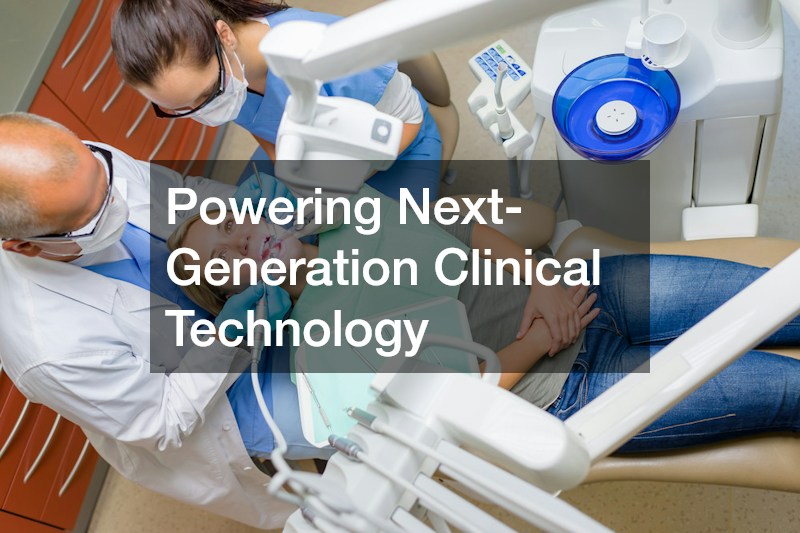
Today’s diagnostic and restorative workflows rely heavily on digital sensors, 3D cone-beam imaging, chairside milling units, and high-speed sterilization autoclaves. Attempting to run this sophisticated machinery on an aging electrical panel can lead to voltage drops, tripped breakers, or sensitive equipment damage. Upgrading to dedicated circuits, integrated surge protection, and strategically positioned floor outlets keeps tangled cords off clinical pathways while ensuring uninterrupted power during complex procedures.
Designing a safe, code-compliant power grid tailored to medical equipment calls for a licensed electrician who understands the specific load requirements of modern operatories. Skilled technicians can also retrofit energy-efficient LED task lighting with adjustable color temperatures, allowing clinicians to match shades accurately without eye strain. Thoughtful electrical upgrades future-proof the facility, making it easy to integrate new chairside technologies as the practice grows.
Comprehensive Protection for People and Assets
Dental practices house high-value imaging equipment, specialized handpieces, sensitive electronic health records, and controlled pharmaceuticals, making robust physical protection essential. Modernizing facility security goes far beyond a basic deadbolt; integrated access control systems using smart keycards or biometric readers allow practice owners to manage staff entry permissions effortlessly while maintaining detailed audit trails for restricted storage areas.
Working with a reputable security service provides round-the-clock monitoring, high-definition exterior and lobby surveillance, and rapid emergency response protocols. Knowing that the building is actively protected after hours allows dentists and their administrative teams to focus entirely on patient care during the day without worrying about unauthorized entry or property loss. Visible, professionally managed security measures also reassure patients and staff arriving early in the morning or leaving after dusk.
Proactive Fire Detection and Life Safety Systems
Patient safety extends well beyond infection control and clinical protocols to encompass comprehensive building-wide life safety readiness. Because dental practices utilize compressed medical gases, high-heat sterilization equipment, and complex electrical arrays, early hazard detection is paramount. Modernizing life safety infrastructure with addressable smoke detectors, strobe alerts for hearing-impaired visitors, and clearly illuminated emergency egress signage ensures rapid, orderly evacuation if an unexpected hazard arises.
Partnering with certified specialists to install, inspect, and monitor commercial fire alarms guarantees that every sensor and notification device meets strict municipal healthcare codes. Automated system self-checks and integrated emergency dispatch connections minimize false alarms while ensuring immediate first-responder notification during a true emergency. Keeping these critical systems up to date protects both human life and irreplaceable clinical investments.
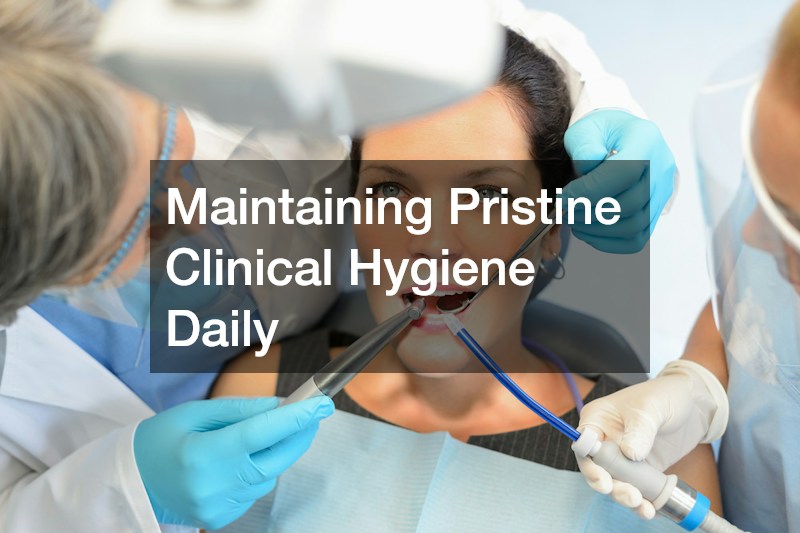
Maintaining Pristine Clinical Hygiene Daily
Even the most beautifully renovated office will lose its appeal if dust accumulates on baseboards, fingerprints smudge glass partitions, or restrooms fall short of spotless standards. Patients instinctively equate visible cleanliness with clinical sterilization rigor; a gleaming lobby immediately builds trust before a clinician ever picks up a mirror. Establishing strict daily sanitation checklists ensures that high-touch surfaces, waiting room seating, and administrative zones remain consistently immaculate.
While clinical assistants expertly handle operatory turnover between patients, outsourcing whole-facility deep cleaning to a specialized janitorial company elevates overall hygiene to a higher tier. Trained commercial crews utilize hospital-grade disinfectants, HEPA-filtered vacuums, and cross-contamination prevention protocols after hours, ensuring every corner of the practice is sanitized without disrupting daily appointment schedules.
Elevating Communication and Leadership Dynamics
Physical renovations alone cannot unlock a practice’s full potential if internal communication bottlenecks or interpersonal friction hold the team back. Modernizing a dental office also means investing in emotional intelligence, conflict resolution, and collaborative leadership so every team member feels heard and valued. When front-desk coordinators, hygienists, and doctors understand each other’s communication styles, daily huddles become more productive and chairside handoffs flow seamlessly.
Introducing enneagram and negotiation training equips clinical leaders and staff with practical frameworks for understanding diverse personality motivations and resolving everyday workplace tensions constructively. These skills also translate directly to the treatment room, helping practitioners navigate sensitive treatment-plan discussions and financial conversations with greater empathy and clarity. A cohesive, emotionally intelligent team naturally creates a warmer, more reassuring atmosphere for every patient.
Streamlining Digital Diagnostics and Chairside Workflows
Replacing traditional impression trays and film radiographs with intraoral scanners and low-radiation digital sensors transforms both clinical accuracy and patient comfort. Modern 3D scanning wands capture detailed digital models in seconds, eliminating the gag-inducing discomfort of putty impressions while allowing patients to view high-definition visualizations of their teeth on chairside monitors. When patients can clearly see what the clinician sees, trust deepens and case acceptance rises organically.
Integrating cloud-based practice management software alongside these chairside tools further eliminates administrative friction. Automated appointment reminders, digital consent forms, and seamless insurance verification reduce scheduling gaps and free staff from repetitive paperwork. By unifying diagnostic hardware with intuitive software, practices deliver faster, more transparent care from initial consultation through final restoration.
Soundproofing and Acoustic Comfort in Treatment Zones
The distinctive hum of high-speed handpieces and ultrasonic scalers is one of the primary triggers for dental anxiety, especially when sound carries freely between rooms. Upgrading interior partitions with sound-attenuating insulation, solid-core doors, and acoustic ceiling tiles dramatically reduces noise bleed across the clinic. Containing clinical sounds within individual operatories preserves patient privacy and keeps the waiting area noticeably calmer.
Adding subtle white-noise masking systems in hallways and offering noise-canceling headphones with curated entertainment options at the chair further transforms the sensory experience. When patients can tune out clinical acoustics and focus on calming music or a favorite show, appointments feel shorter and far less stressful. Thoughtful acoustic engineering proves that what patients do not hear is just as important as what they see.

Sustainable Practices for Eco-Conscious Care
Modern healthcare consumers increasingly appreciate businesses that actively minimize their environmental footprint without compromising clinical safety. Transitioning toward eco-conscious operations can begin with simple, high-impact upgrades like water-free vacuum pumps, amalgam separators, and smart occupancy sensors that dim lights in unoccupied rooms. Replacing disposable paper bibs and plastic cups with biodegradable alternatives or reusable, hospital-laundered textiles further reduces daily waste volume.
Digital charting, electronic prescriptions, and automated paperless billing also cut down on physical clutter and supply costs while appealing to environmentally mindful families. Highlighting these green initiatives subtly in practice communications reinforces a forward-thinking brand identity, showing the community that dentists and their teams care deeply about both individual wellness and broader environmental stewardship.
Optimizing Patient Flow and Sterilization Architecture
The architectural flow connecting patient reception, clinical operatories, and sterile processing areas dictates the daily rhythm and safety profile of any dental clinic. Modernizing floor plans to establish a clear, unidirectional path for contaminated instruments—moving cleanly from operatories into dedicated sterilization rooms without crossing paths with incoming patients—significantly minimizes cross-contamination risks. Thoughtfully designed pass-through windows and dedicated clean storage lockers make it easy for assistants to maintain rigorous sterile protocols even during high-volume appointment days.
In addition to infection control logistics, optimizing physical patient traffic patterns reduces bottlenecks in hallways and waiting areas. Clear wayfinding signage, spacious treatment corridors, and distinct exit pathways ensure that visitors never feel trapped or disoriented after a procedure. When architectural layout and sterilization workflows are engineered for maximum efficiency, clinical teams experience lower daily stress and patients enjoy a visibly organized, professional healthcare environment.
Modernizing a dental practice is ultimately an investment in confidence—giving clinicians the reliable tools they need to perform at their best while assuring patients that their comfort and safety come first. By thoughtfully combining aesthetic warmth, resilient materials, and robust behind-the-scenes infrastructure, any office can evolve into a welcoming healthcare destination that stands out in a competitive marketplace.
Whether starting with targeted facility improvements or planning a comprehensive top-to-bottom refresh, partnering with specialized service providers ensures every upgrade delivers lasting value. When a physical space is clean, secure, comfortable, and supported by a well-aligned team, both the practice and the patients it serves are positioned to thrive for years to come.