Deciding What Counts as a Dental Emergency
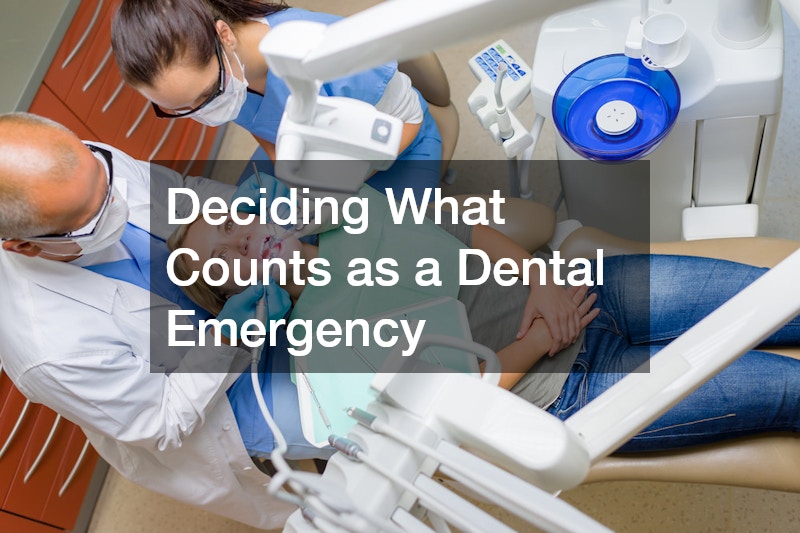
Navigating sudden pain or an unexpected injury inside the mouth can feel overwhelming. When discomfort strikes out of nowhere or an accident damages a tooth, it is completely natural to feel uncertain about whether to rush to a local dentist immediately or wait for regular office hours. Determining the severity of an oral health issue is crucial because acting quickly can save a tooth, prevent severe infection, and alleviate intense suffering, while rushing in for minor concerns might result in unnecessary stress and financial strain.
Understanding how to evaluate your symptoms allows you to make calm, informed decisions about your health. While every situation carries its own unique details, learning the key markers of a true crisis empowers you to take the right action at the right time.
Recognizing Urgent Oral Health Situations
Not every ache or minor chip demands immediate intervention, but certain symptoms indicate that time is of the essence. Identifying these high-priority signs ensures that critical issues are addressed before they trigger permanent damage or widespread health complications.
Severe Pain and Uncontrolled Throbbing
Intense, sharp, or persistent aching that radiates through the jaw, ear, or neck is rarely something to ignore. When discomfort prevents sleep, makes chewing impossible, or fails to respond to basic over-the-counter pain relief, it usually points to deep nerve involvement or a severe infection. Pain of this magnitude often signals that bacteria have reached the inner pulp of a tooth, creating pressure that will only escalate without intervention. Ignoring high levels of pain risks allowing an infection to spread into surrounding tissues or even the bloodstream.
Sudden Physical Damage or Dislodged Teeth
Accidents happen unexpectedly, whether during sports, an unfortunate stumble, or biting down on something unexpectedly hard. If a permanent tooth is completely knocked out of its socket, time becomes the single most important factor in saving it. Seeking care from a dentist within an hour offers the highest chance of successful re-implantation. Similarly, if a tooth is severely cracked, fractured, or pushed out of its normal alignment, immediate care is necessary to stabilize the structure and protect delicate nerves from exposure.
Distinguishing Between Immediate Care and Routine Visits
Discerning whether a situation calls for urgent attention or can wait a few days comes down to evaluating three main factors: pain level, bleeding, and structural integrity. Differentiating between these categories helps streamline your response and ensures clinical resources are available for those in critical need.
Issues That Require Same Day Attention
Any condition accompanied by significant swelling in the mouth, face, or neck demands rapid medical evaluation. Swelling often indicates a developing abscess, which is a localized pocket of infection that can rapidly worsen and compromise breathing or swallowing if left unchecked. Uncontrolled bleeding following an extraction or physical trauma is another clear indicator that professional assistance is required right away. Soft tissue injuries, such as deep lacerations to the gums, tongue, or inner cheek that will not stop bleeding after applying firm pressure, also warrant rapid clinical care.
Conditions That Can Safely Wait
On the other hand, many uncomfortable situations feel alarming but do not constitute a true emergency. A lost filling or a minor crown dislodgment, while inconvenient, can usually wait a day or two as long as you are not experiencing excruciating pain. Small chips in the enamel that lack sharp edges or deep sensitivity can also be scheduled during regular business hours. Mild sensitivity to cold or sweet foods typically indicates minor decay or enamel wear rather than an immediate crisis, meaning you can comfortably wait for the next available routine appointment.
Steps to Take Before Reaching Professional Help
Once you have identified that a situation requires immediate attention, taking proactive steps at home can help stabilize the problem and ease discomfort while you coordinate with a provider.
Managing Discomfort and Protecting Damaged Tissue
If a tooth has been knocked out, handle it solely by the crown, avoiding touching the delicate root tissue. Gently rinse it with clean water if dirty, and attempt to place it back into the socket if possible, or store it in a container of milk to preserve the living cells on the root surface. For swelling or soft tissue trauma, applying a cold compress to the outside of the cheek for brief intervals can help reduce inflammation and numb sharp discomfort. Rinsing gently with warm salt water can also help clean the area and mitigate bacterial presence.
Communicating Clearly With Emergency Staff
When calling an urgent care line or your local dentist office, clearly describe your main symptoms, the duration of the pain, any visible swelling, and whether trauma was involved. Providing concise detail allows the clinical team to triage your case accurately and prepare the necessary equipment before you even walk through the door. If you suspect a jaw fracture or experience difficulty breathing or swallowing alongside oral swelling, head straight to a hospital emergency room immediately, as these conditions extend beyond standard outpatient care.
Preventing Urgent Oral Health Crises
While unexpected accidents cannot always be avoided, the vast majority of sudden oral health crises stem from long-standing, untreated conditions. Routine checkups and cleanings with your dentist allow care providers to catch small cavities, weakened restorations, or early gum issues long before they erupt into excruciating pain or complex infections. Wearing a properly fitted mouthguard during athletic activities and refraining from using your teeth as tools to open packaging or crack hard items remain simple yet powerful ways to protect your smile from sudden, avoidable trauma. Knowing how to assess your symptoms gives you confidence, ensuring you get the care you need precisely when you need it.